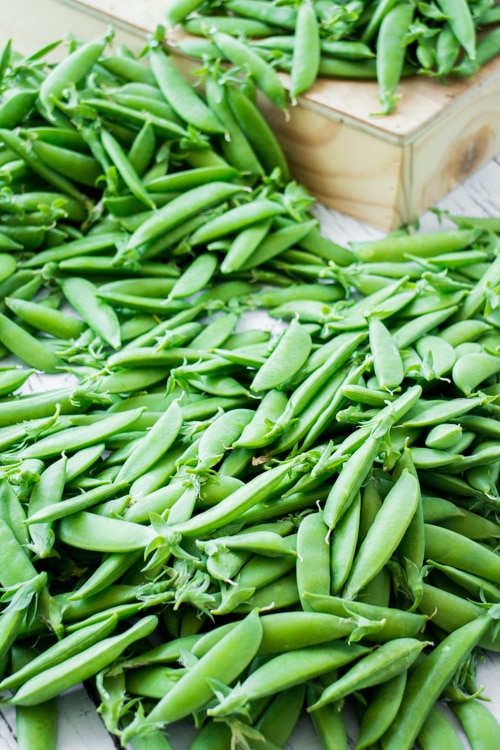
No Blanching Needed: Quick Guide to Freezing Sugar Snap Peas
The vibrant, sweet crunch of sugar snap peas is one of summer's true delights. Whether you're a dedicated gardener blessed with an abundant harvest or simply found a fantastic deal at your local market, preserving these green gems allows you to savor their fresh flavor long after their season has passed. While traditional freezing methods often recommend blanching, a pre-treatment step that involves boiling and then shocking vegetables in ice water, many home cooks are seeking a simpler, more time-efficient alternative. This guide will show you precisely
how to freeze sugar snap peas effectively *without* blanching, ensuring you can enjoy them in winter soups, stir-fries, and casseroles with minimal fuss.
Why Skip the Blanching Step? The Case for Convenience
Blanching is indeed a time-honored technique aimed at preserving the color, texture, and nutritional value of vegetables during freezing by halting enzyme activity. However, it's also an extra step that requires boiling water, an ice bath, and thorough drying – all of which add significant time to the preservation process. For busy individuals, those with large, frequent harvests, or anyone simply looking for a more streamlined approach, skipping the blanching can be a game-changer.
The "no blanching" method prioritizes convenience without completely sacrificing quality, especially for sugar snap peas destined for cooked dishes within a few months. While blanched peas might retain their absolute peak texture and color for slightly longer in the freezer, the difference for many culinary applications is often negligible when using the no-blanching approach, provided you follow a few key steps diligently. This method allows you to lock in that fresh taste and crispness with far less effort, making it ideal for incorporating your homegrown bounty into your favorite winter meals.
Your Simple, Step-by-Step Guide to Freezing Sugar Snap Peas Without Blanching
Preserving your sugar snap peas without blanching is remarkably straightforward, requiring just a few basic kitchen items and a little hands-on time. The key to success lies in proper preparation and effective air removal to prevent freezer burn and maintain quality.
Step 1: Gentle Cleaning (or None at All)
If you've harvested your sugar snap peas from a clean garden, you might not even need to wash them. The less moisture introduced, the better for freezing without blanching. However, if your peas are store-bought or have visible dirt, a quick rinse in cool water is advisable. The crucial follow-up is to ensure they are *completely dry* before proceeding. Use clean kitchen towels or a salad spinner to remove every trace of moisture. Any residual water will turn into ice crystals in the freezer, potentially leading to freezer burn and a mushier texture upon thawing.
Step 2: Destringing – The Mindful Task
This is often considered the most time-consuming part of the process, but it's essential for an enjoyable eating experience later. Sugar snap peas have a fibrous string running along both sides of the pod. To remove them:
- Snap off the stem end, pulling the string from the top seam down the length of the pod.
- Then, snap off the blossom end (the tip), pulling the second string from the bottom seam.
Getting into a rhythm can make this task surprisingly meditative. While it takes a little patience, destringing ensures your frozen peas will be tender and pleasant to eat, free from any tough, chewy fibers.
Step 3: Size Matters: Cutting for Convenience
Once destrung, take each pea pod and cut it into two pieces. This simple step offers several advantages:
- Easier Portioning: Smaller pieces are easier to measure and add to recipes.
- Quicker Cooking: Cut pieces cook faster from frozen, which is ideal for stir-fries or quick additions to soups.
- Efficient Storage: They pack more compactly into freezer bags.
While optional, cutting them significantly improves the user experience when you're ready to cook with your frozen peas.
Step 4: Pack and Label Your Peas
Now it's time to get your peas ready for their long slumber in the freezer.
- Place the prepared pea pieces into high-quality, freezer-safe bags. You can pack them in meal-sized portions or larger quantities, depending on your needs.
- It's highly recommended to lay the bags flat when filling and gently spread the peas into a single layer. This allows for faster freezing and makes it easier to break off smaller portions later if needed.
- Most importantly, use a permanent marker to clearly label each bag with the contents (e.g., "Sugar Snap Peas - No Blanch") and the date it was frozen. This prevents confusion and helps you rotate your stock effectively.
Step 5: The Air Evacuation Mission
This step is critical for preventing freezer burn and maintaining the quality of your unblanched sugar snap peas. The less air in the bag, the better protected your peas will be.
- The Straw Method: Partially seal your freezer bag, leaving a small gap (about an inch) open. Insert a drinking straw into this gap. Suck out as much air as possible through the straw. As soon as you feel the bag collapse around the peas, quickly remove the straw and completely seal the bag.
- Vacuum Sealer: If you own a vacuum sealer, this is the ideal tool for air removal, offering the best protection against freezer burn and extending the storage life significantly.
Removing air minimizes exposure to oxygen, which is a primary culprit in food degradation during freezing.
Making the Most of Your Frozen Sugar Snap Peas
Your frozen sugar snap peas are now ready to be enjoyed! They are incredibly versatile and can be used in a myriad of dishes, just like any other frozen vegetable. The beauty of this no-blanch method is that they often retain a delightful "nice crunch" even after freezing, adding a lovely texture to your meals.
There's generally no need to thaw your sugar snap peas before cooking. For most recipes, you can add them directly from the freezer. They are perfect for:
- Stir-fries: Toss them in during the last few minutes of cooking for a fresh pop of color and flavor.
- Soups and Stews: Add them towards the end of the cooking process to maintain their vibrant green hue and slight crispness.
- Casseroles: Fold them into your favorite baked dishes.
- Roasted Vegetables: Roast them alongside other vegetables, adding them during the last 10-15 minutes.
- Pasta Dishes: Stir into warm pasta with a little butter or olive oil for a quick side.
These frozen peas offer a convenient way to bring a taste of summer to your table, even in the depths of winter.
While this no-blanching method is fantastic for convenience and yields excellent results for many applications, it's worth noting that traditional blanching *does* offer benefits for very long-term storage (beyond 6-8 months) or if you require absolute peak texture and color retention. If you're interested in understanding the traditional blanching method and its benefits for extended storage, you might find value in exploring
Freeze Sugar Snap Peas Perfectly: The Crucial Role of Blanching or delving into the debate of
Sugar Snap Peas: Is Blanching Essential for Freezing Quality?
Freezing sugar snap peas without blanching is a simple, effective, and time-saving method for preserving this beloved vegetable. By following these easy steps – from thorough drying and destringing to efficient air removal – you can extend the joy of your harvest for months to come. So go ahead, freeze away and enjoy that sweet, crisp taste of summer whenever you desire!